
There’s a version of this conversation that happens under duress. A fall. A diagnosis. A moment when someone realizes, all at once, that the home they’ve lived in for decades is no longer working for them, and that something has to change immediately.
That’s not the conversation I prefer to have.
The clients I work with best are the ones who come before that moment. Not because anything is wrong, but because they’re thinking ahead. They’re asking: what would it take for this home to support me well, not just now, but ten years from now? That’s a very different question, and it opens up very different possibilities.
Planning on your terms
When a home change happens reactively, the options narrow. You’re working around an urgent need, a compressed timeline, and often a level of stress that makes good decisions harder. Contractors get hired quickly rather than carefully. Compromises get made. The result is functional, maybe, but rarely beautiful.
When a home change happens proactively, everything opens up. You have time to think through what you actually want. To consider not just the immediate fix but the larger vision. To choose the right people, sequence the work thoughtfully, and build something that reflects who you are, not just what you need in a hurry.
The difference in the outcome is significant. The difference in the experience is even greater.
What proactive planning actually looks like
It doesn’t have to be a major renovation. Sometimes it’s a conversation. A walk-through with someone who knows what to look for: lighting that works with aging eyes, flooring transitions that reduce fall risk, a bathroom layout that could accommodate a grab bar without announcing itself as a medical fixture.
The goal is to identify what’s working, what isn’t, and what small changes now might prevent a costly, urgent renovation later. Most people are surprised by how manageable it feels when it’s approached that way.
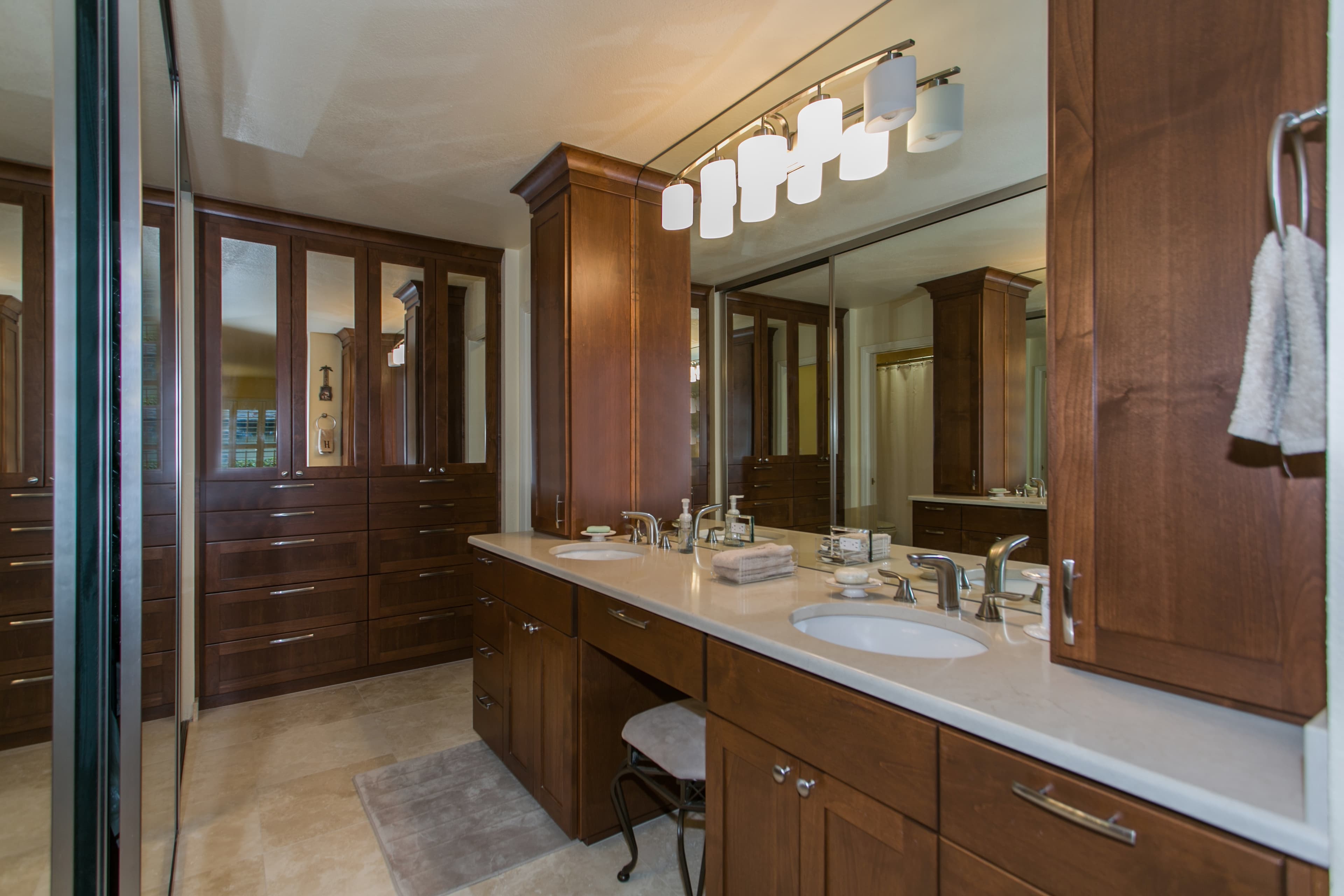
And the homes we create through this process don’t look like accommodations. They look like beautiful, considered spaces where someone has clearly thought carefully about how life is actually lived. Because that’s exactly what happened.
A note for families
Sometimes the person calling me isn’t the homeowner. It’s an adult child, someone who loves a parent and is quietly worried. They’ve noticed something. A room that’s become harder to navigate. A bathroom that feels precarious. A home that was perfectly suited to life at fifty that may not be perfectly suited to life at seventy-five.
If that’s you, I want you to know: this is one of the most generous things you can do for someone you love. Getting ahead of it, before anything forces the conversation, is a gift. And it doesn’t have to feel like taking something away. Done well, it feels like the opposite.
The best time to plan is always before you need to
That’s not a platitude. It’s the truest thing I know about this work.
If you’ve been thinking about it, for yourself or for someone you care about, a complimentary Home Longevity Assessment is a good place to start. No pressure, no agenda. Just a conversation about where your home is now and where you’d like it to be.